



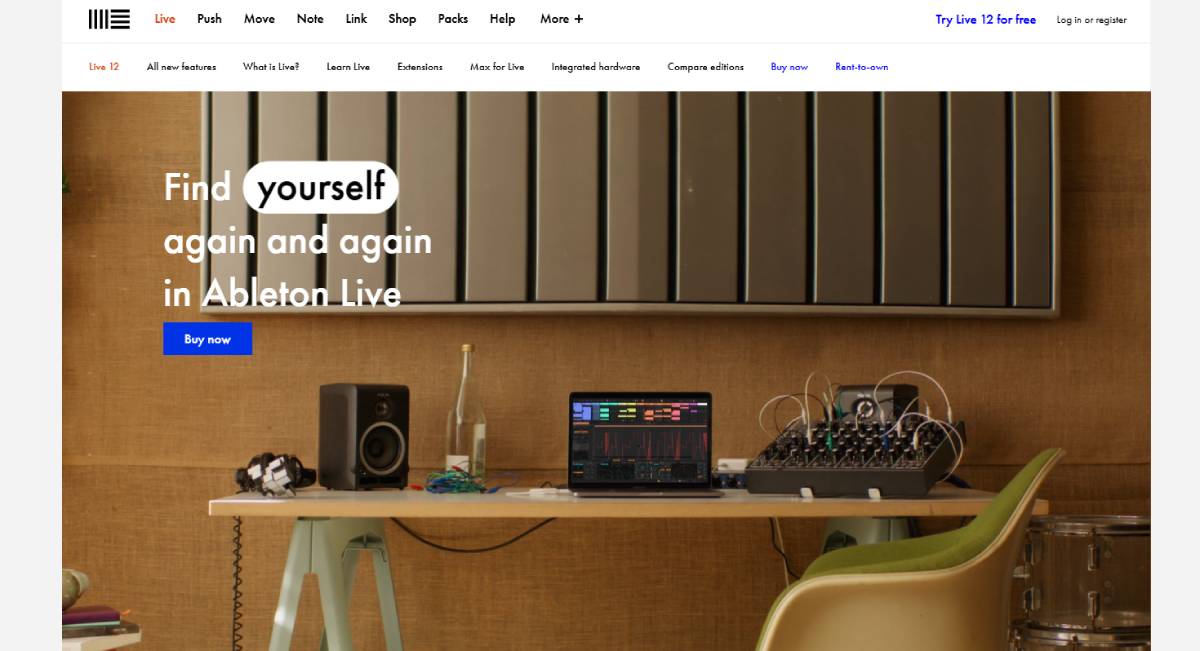
A significant development in music technology highlights the accelerating evolution of digital audio production as creators, educators, and entertainment companies embrace advanced software workflows. Ableton Live continues strengthening its position as a leading digital audio workstation (DAW), enabling musicians, producers, and media organizations to create, perform, and collaborate more efficiently in an increasingly digital creative economy.
Ableton Live continues expanding its professional music production capabilities through an integrated platform supporting recording, MIDI sequencing, audio editing, live performance, sound design, and electronic music production. Its flexible Session and Arrangement views allow users to transition seamlessly between creative experimentation and structured composition.
The software supports extensive plugin compatibility, virtual instruments, automation tools, and hardware integration, making it suitable for independent creators, recording studios, educational institutions, broadcasters, and live performers. As digital content production continues expanding worldwide, Ableton Live provides scalable creative workflows that help professionals accelerate production while maintaining high-quality audio standards across multiple media formats.
The global music production industry is undergoing rapid transformation as streaming platforms, creator-focused business models, social media, gaming, and digital entertainment continue driving demand for professional audio production tools. Independent artists now have access to sophisticated production environments that were once limited to large commercial studios.
This evolution aligns with broader digital transformation trends across the creative economy, where cloud collaboration, artificial intelligence, immersive media, and virtual production technologies are reshaping content creation. Digital audio workstations have become essential infrastructure for musicians, podcast producers, film composers, advertising agencies, broadcasters, and educational institutions.
Growing investment in creator tools, online music education, virtual performances, and multimedia production continues expanding the addressable market for professional audio software, reinforcing the strategic importance of flexible, scalable production platforms within the global creative technology ecosystem.
Industry analysts consider digital audio workstations central to the continued expansion of the creator economy and digital entertainment industries. Experts note that flexible production environments capable of supporting composition, recording, editing, and live performance allow creators to streamline workflows while maintaining professional production quality.
Technology consultants also highlight increasing demand for interoperability between production software, cloud collaboration platforms, virtual instruments, and artificial intelligence-assisted creative tools. These integrations enable greater productivity while lowering technical barriers for independent creators and enterprise media teams alike.
Although no specific corporate statement accompanies this development, market observers suggest continued investment in music production technologies reflects sustained growth across streaming services, gaming, podcasting, online education, and immersive digital experiences that increasingly rely on high-quality audio production.
For businesses operating in media, entertainment, advertising, education, and digital marketing, advanced music production software supports faster content creation, improved production quality, and greater creative flexibility. Independent creators benefit from professional-grade tools that reduce reliance on expensive studio infrastructure while expanding commercial opportunities.
Investors continue monitoring growth in creator economy technologies as digital content consumption accelerates globally. Policymakers and industry organizations are also paying closer attention to copyright management, digital licensing, intellectual property protection, and ethical AI integration as music production becomes increasingly technology-driven and globally distributed.
Digital music production is expected to evolve through deeper integration of artificial intelligence, cloud collaboration, immersive audio, and real-time creative workflows. Decision-makers should monitor innovation in AI-assisted composition, automated production tools, cross-platform interoperability, and creator monetization technologies. As the global creator economy expands, professional audio production platforms are likely to remain foundational infrastructure for modern digital media and entertainment.
Source: Crozdesk
Date: August 4, 2026


