



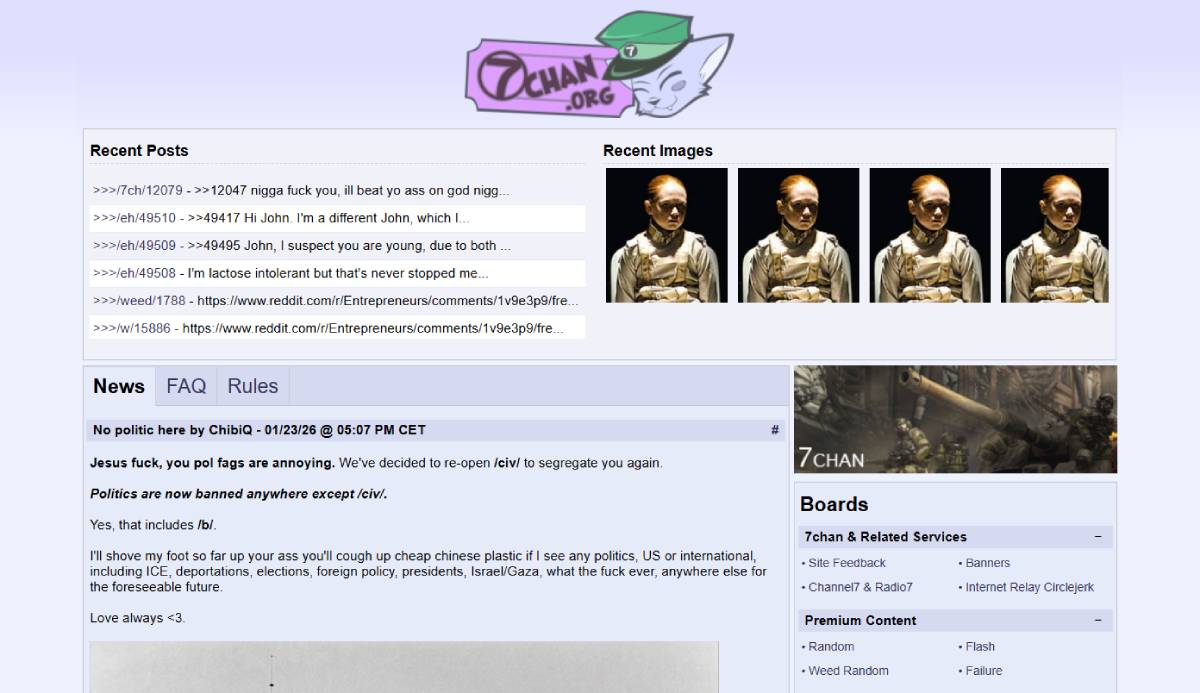
7chan represents the continuing evolution of anonymous online communities and user-driven discussion platforms within the broader digital ecosystem. The platform highlights ongoing debates around online expression, community moderation, privacy, and internet governance, with implications for technology companies, policymakers, cybersecurity experts, and organizations navigating the challenges of decentralized digital spaces.
7chan is an imageboard-style online community platform built around anonymous discussions and user-generated content. Its existence reflects the continued demand for decentralized spaces where users can share ideas, participate in discussions, and create niche communities. Anonymous platforms remain influential within internet culture while also presenting challenges related to moderation, security, and responsible digital governance.
As online communities continue expanding globally, technology platforms and regulators are increasingly focused on balancing freedom of expression with efforts to prevent harmful activity. The development of platforms like 7chan highlights the ongoing transformation of social communication in the digital age.
Anonymous online communities have played a significant role in shaping internet culture, enabling users to exchange information, build communities, and participate in open discussions without traditional identity requirements. Over the years, imageboards and decentralized forums have influenced digital communication trends, online movements, and community-driven content creation. This development aligns with a broader trend across global markets where digital platforms are facing increased attention around content moderation, user safety, privacy, and regulatory oversight.
Governments and technology companies worldwide are examining how online communities can maintain open participation while addressing challenges such as misinformation, cybersecurity risks, and harmful content. As social platforms continue evolving, the balance between anonymity, accountability, and digital rights remains a central issue shaping the future of online communication.
Digital policy analysts believe anonymous platforms will continue influencing discussions around internet freedom, privacy, and online governance. Experts note that anonymity can encourage open communication and protect user privacy, while also creating challenges for moderation and platform responsibility. While no specific official statements are directly associated with 7chan in this overview, industry observers emphasize that sustainable online communities require effective moderation frameworks, transparent policies, and responsible technology management.
Analysts expect future digital platforms to adopt more advanced tools, including artificial intelligence-based moderation systems and improved user safety mechanisms. Organizations operating online communities will need to balance user engagement, privacy expectations, and regulatory requirements as governments worldwide increase focus on digital platform accountability.
For technology companies, 7chan highlights the broader challenges involved in managing online communities at scale. Businesses operating digital platforms must consider content governance, cybersecurity, user protection, and regulatory compliance as essential components of long-term strategy. Investors continue monitoring social technology companies and digital infrastructure providers as online engagement models evolve. Policymakers are increasingly focused on platform accountability, privacy protections, and online safety regulations. Organizations developing community-based technologies will need to create transparent systems that support user participation while addressing risks associated with harmful content and digital abuse.
The future of online communities will likely be shaped by advances in artificial intelligence moderation, privacy technologies, and evolving digital regulations. Decision-makers should monitor developments in internet governance, cybersecurity, and user safety frameworks. Platforms that successfully balance open participation with responsible management will be better positioned to operate in an increasingly regulated and interconnected global digital environment.
Source: AlternativeTo
Date: July 29, 2026


